

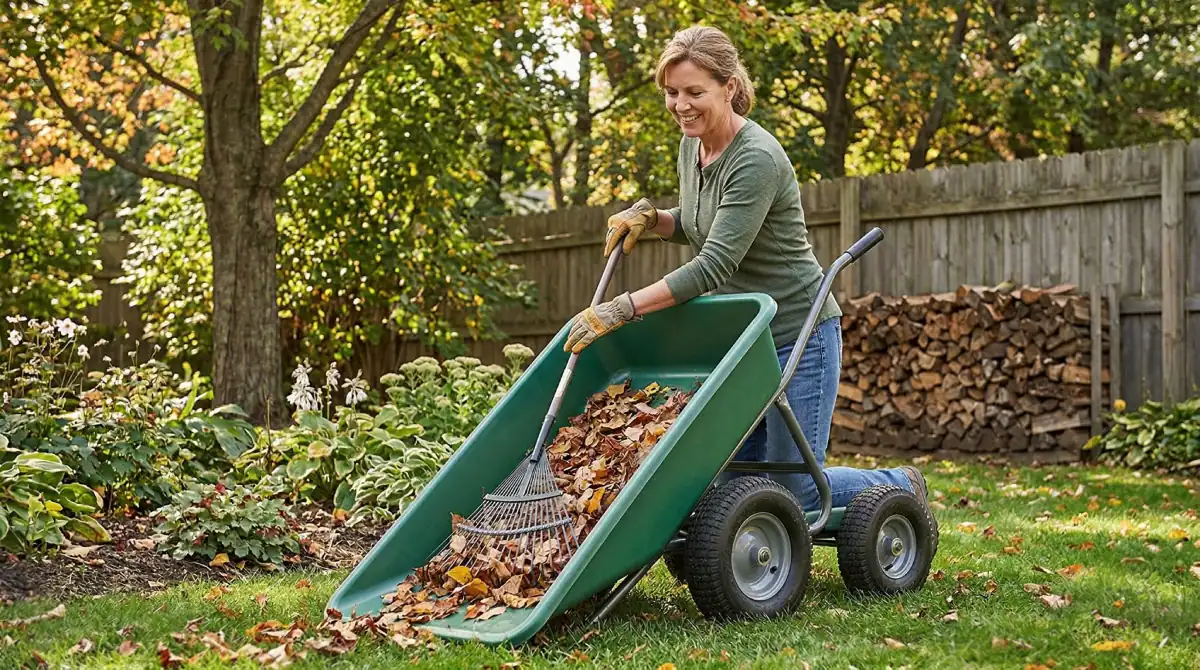
If you have ever spent a weekend cleaning up yard debris, moving mulch, or hauling soil, you know exactly how punishing a traditional wheelbarrow can be on your body. The constant bending, lifting, and balancing act is enough to leave anyone with a sore back and aching shoulders. Enter the kneeling wheelbarrow—a revolutionary twist on a classic gardening tool designed to take the strain out of yard work.
Whether you are an avid gardener looking to protect your joints, a homeowner tackling DIY landscaping, or someone who simply wants to make weekend chores easier, this tool is a game-changer. In this comprehensive guide, we will break down exactly what a kneeling wheelbarrow is, how it works, and why it might just be the best investment you make for your garden this year.
What is a Kneeling Wheelbarrow?
A kneeling wheelbarrow (often referred to as a ground-loading or drop-down wheelbarrow) is an innovative garden cart designed to rest completely flat against the ground when tilted forward. Unlike a standard wheelbarrow that requires you to lift heavy materials over a high lip, the kneeling wheelbarrow features a specialized pivot point or a unique sloped front end.
When you tip the handles forward, the front lip of the tray meets the earth seamlessly. This allows you to rake, sweep, or roll heavy items directly into the basin without ever having to lift them off the ground. Once loaded, you simply pull back on the handles, the wheelbarrow rocks back onto its wheels, and you are ready to move your load.
Top Benefits of Using a Kneeling Wheelbarrow
Switching from a traditional garden cart to a kneeling wheelbarrow offers a multitude of benefits, primarily centered around user ergonomics and sheer convenience.
Eliminates Heavy Lifting
The most significant advantage is the drastic reduction in heavy lifting. Because the front lip lowers flush with the ground, you can simply rake leaves, sweep grass clippings, or slide heavy rocks and potted plants directly into the tray. This completely eliminates the vertical lift that causes the majority of back injuries during yard work.
Saves Time and Energy
Loading a standard wheelbarrow usually requires a shovel and multiple repetitive motions. With a ground-loading design, you can sweep large piles of debris directly into the bed in a fraction of the time. This makes clearing fall leaves, spring pruning, and post-storm debris cleanup incredibly fast and efficient.
Superior Stability
Traditional wheelbarrows, especially single-wheel models, are notoriously tippy. Kneeling wheelbarrows are inherently designed for stability. When they are in the “kneeling” or resting position, they sit firmly on the ground, meaning they won’t tip over while you are trying to load them on uneven terrain.
How to Use a Kneeling Wheelbarrow
Using one of these ergonomic carts is incredibly straightforward, which makes them perfect for users of all ages and physical ability levels.
- Position the Cart: Wheel the empty cart directly to the pile of leaves, dirt, or debris you want to move.
- Kneel the Wheelbarrow: Push the handles forward and up. The front lip of the wheelbarrow will lower until it rests completely flat against the ground.
- Load the Debris: Use a rake, push broom, or even your hands to slide the yard waste directly into the basin. If you are moving a heavy object like a root ball or a bag of cement, simply tip it over into the tray.
- Tilt and Go: Step back, pull the handles toward you, and push down slightly. The wheelbarrow will easily pivot back onto its wheels, utilizing leverage so you don’t have to bear the dead weight of the load.
Who Should Consider Upgrading?
While any gardener can benefit from a more efficient tool, a kneeling wheelbarrow is especially valuable for specific groups of people:
- People with Back or Joint Pain: If you suffer from sciatica, arthritis, or general lower back pain, removing the lifting phase of yard work is crucial.
- Elderly Gardeners: Seniors who want to maintain their independence and continue gardening will find this tool allows them to work longer without fatigue.
- Solo Landscapers: If you frequently do yard work alone, moving heavy objects like boulders or large logs is nearly impossible without help. A ground-loading cart acts as a second set of hands.
- Equestrians and Farmers: Mucking out stalls or moving feed is much easier when you can sweep directly into the cart.
Key Features to Look For When Buying
If you are ready to invest in a kneeling wheelbarrow, keep an eye out for these essential features to ensure you get the best model for your needs:
- Material: Look for high-density polyethylene (poly) tubs. They are lightweight, rust-proof, and easy to clean. If you are moving sharp rocks or construction debris, a heavy-duty steel tub might be necessary, though it will add weight.
- Wheel Type: Pneumatic (air-filled) tires offer the best shock absorption over bumpy terrain, but flat-free solid polyurethane tires are ideal if you want zero maintenance and never want to worry about a puncture.
- Weight Capacity: Check the maximum load rating. Most high-quality residential models can easily handle between 250 and 300 pounds of weight.
- Handle Ergonomics: Padded or rubberized grips prevent blisters and provide better traction when pulling the wheelbarrow back out of the kneeling position.
A Smarter Way to Do Yard Work
Gardening and landscaping should be a labor of love, not a source of physical pain. By rethinking the mechanics of how we move materials around our yards, the kneeling wheelbarrow has transformed a grueling chore into an effortless task. Whether you are dealing with a massive pile of autumn leaves or moving heavy bags of topsoil, upgrading to a ground-loading wheelbarrow is a highly practical choice that your back will thank you for.


